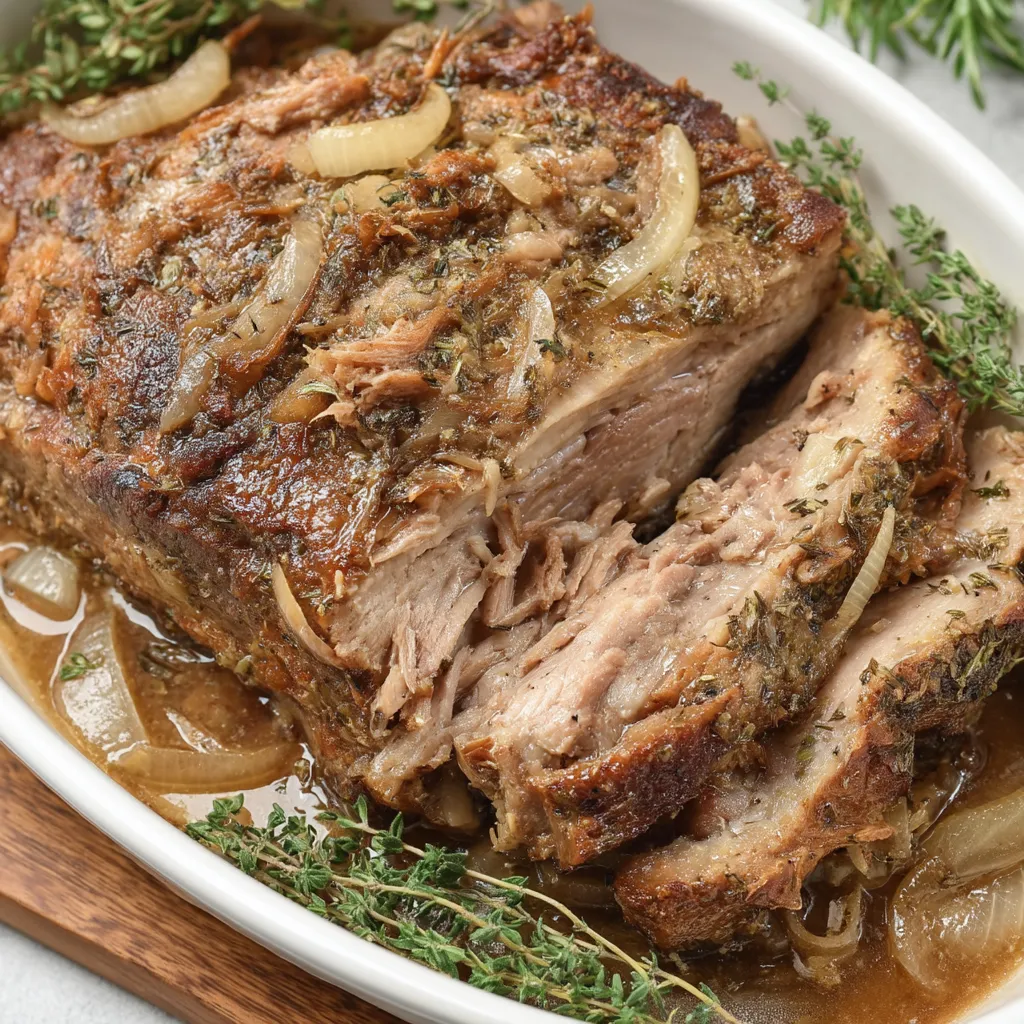
Secrets to Succulent Italian Pork Roast: Best Cuts & Braising Method
Imagine a dish that effortlessly transports you to the heart of Italy with every fork-tender bite. A rich, aromatic gravy clinging to impossibly tender meat, the kind that whispers tales of slow cooking and culinary devotion. This isn't just a fantasy; it's the sublime reality of a perfectly executed
Italian Red Wine Pork Roast. Far from a quick weeknight meal, this dish is a labor of love, a sensory journey that fills your home with an intoxicating aroma and culminates in a masterpiece of flavor and texture. The magic lies in understanding the right ingredients and employing the time-honored technique of low-and-slow braising. If you've ever dreamt of creating a show-stopping Italian main course that truly melts in your mouth, you've come to the right place. We'll uncover the essential secrets, from selecting the ideal cut of pork to mastering the braising method that guarantees an unforgettable result every single time.
The Culinary Art of Braising: Unlocking Unparalleled Flavor
At the heart of a truly exceptional Italian red wine pork roast lies the art of braising. This ancient cooking method is revered for its ability to transform tougher, more economical cuts of meat into unbelievably tender and flavorful dishes. It's a two-stage process that first builds deep, complex flavors through searing and then tenderizes the meat through prolonged, moist heat.
The journey begins with a crucial step: searing. Before any liquid touches the pan, the pork is browned intensely on all sides in a heavy-bottomed Dutch oven. This isn't merely about aesthetics; it's about initiating the Maillard reaction – a chemical process that creates hundreds of new flavor compounds and gives the meat a deep, caramelized crust. This rich "fond" (the browned bits left at the bottom of the pan) forms the intensely savory foundation for your sauce. Once seared, the meat then simmers for hours, partially submerged in a fragrant liquid – in this case, a robust Italian red wine, aromatic vegetables, and herbs. The low and slow heat gradually breaks down the tough connective tissues and collagen within the pork, converting them into succulent gelatin. This gelatin, along with the rendering fat, bastes the meat from within, resulting in a moisture-rich, fork-tender texture that's simply irresistible. Braising is remarkably forgiving, allowing even novice cooks to achieve professional-level results, making it the absolute best method for this kind of dish.
Choosing Your Star Ingredient: The Quintessential Pork Cut
The foundation of any spectacular dish begins with choosing the right ingredients, and for an Italian red wine pork roast, the cut of pork is paramount. Make no mistake, this is the most critical decision you'll make, as it directly impacts the final texture and succulence of your roast. For slow-braising, you need a cut with specific characteristics: ample fat marbling and plenty of connective tissue. As the long cooking process unfolds, these elements render down, creating that coveted melt-in-your-mouth texture and infusing the meat with rich, natural moisture.
The hands-down winner for this application is **pork shoulder**, often found labeled as pork butt or Boston butt. Don't let the name "butt" confuse you; it comes from the upper part of the pig's front leg and shoulder. This cut is perfectly suited for braising because its high fat content and collagen naturally tenderize and self-baste during the extended cooking time, making it incredibly forgiving and flavorful. The result is easily shreddable, moist, and deeply savory meat that readily absorbs the flavors of your braising liquid.
Many people mistakenly believe that leaner, seemingly more "premium" cuts like pork loin or tenderloin would be superior. However, for a slow braise, they are precisely the wrong choice. These cuts lack the internal fat and collagen necessary to withstand long cooking times and will inevitably turn out dry, tough, and stringy. Save the loin for quick-roasting, grilling, or pan-searing – applications where its leanness is an asset, not a hindrance.
Here’s a quick comparison to guide you at the butcher counter, ensuring you pick the perfect cut for your slow-braised
Pork Shoulder vs. Loin: Master Your Italian Red Wine Roast Braise:
*
Pork Shoulder (Butt/Boston Butt):
*
Best for: Slow Braising, Pulled Pork, Stews.
*
Texture: Extremely tender, succulent, easily shreddable.
*
Why it works: High fat and collagen content melts down during long, slow cooking, creating a rich, moist, and forgiving result.
*
Pork Loin Roast:
*
Best for: Roasting, Grilling, Quick Searing.
*
Texture when braised: Can be dry, tough, and stringy.
*
Why it doesn't work for braising: Too lean, lacks the internal fat and collagen to stay moist during a long, slow cook; best cooked quickly to a medium temperature.
*
Pork Leg (Fresh Ham):
*
Best for: Roasting.
*
Texture when braised: Can be good, but generally leaner and less marbled than shoulder.
*
Consideration: A decent alternative if shoulder is unavailable, but requires more careful monitoring to avoid drying out due to its lower fat content.
When speaking with your butcher, ask for a bone-in pork shoulder if possible; the bone adds even more flavor and moisture to the braising liquid. Look for good marbling – small streaks of fat running through the meat – as this is a strong indicator of a juicy, flavorful roast.
Crafting the Aromatic Foundation: Wine & Vegetables
Once you’ve selected the perfect pork, the next layer of flavor comes from the braising liquid and aromatics. These elements don't just add moisture; they infuse the meat with the soulful, savory essence of Italian cuisine.
Choosing the Right Italian Red Wine
The "red wine" in Italian red wine pork roast is not merely an optional ingredient; it's a star player that contributes depth, acidity, and a complex fruity note that no other liquid can replicate. The key is to choose a dry, robust Italian red wine. Think of wines you'd enjoy drinking with a hearty meal, as the rule of thumb is always to cook with a wine you'd be happy to pour into a glass. Excellent choices include:
*
Chianti: A classic Sangiovese-based wine known for its savory notes, firm tannins, and cherry fruit, perfect for cutting through the richness of pork.
*
Montepulciano d'Abruzzo: Offers dark fruit flavors, moderate tannins, and a smooth finish, making it very approachable and versatile.
*
Sangiovese: The backbone of many Tuscan wines, delivering good acidity and savory notes.
*
Barbera: A more fruit-forward option with lower tannins and bright acidity, often providing notes of cherry and blackberry.
Avoid "cooking wines" which often contain added salt and preservatives that can detract from the dish's flavor. Instead, invest in a quality bottle; remember, a significant portion of that flavor will concentrate in your sauce. And as a bonus, you'll have the rest of the bottle to enjoy alongside your magnificent meal! The wine's acidity works wonders, helping to tenderize the meat further while providing a beautiful counterpoint to the richness of the pork and the sweetness of the vegetables.
Building Flavor with Aromatic Vegetables and Herbs
The aromatic base for most Italian braises begins with a classic "soffritto" – a finely diced mixture of onion, carrot, and celery. Sautéed slowly until softened and slightly caramelized, these vegetables lay a sweet and savory foundation. To this, we add:
*
Garlic: Essential for its pungent, earthy warmth.
*
Fresh Rosemary and Thyme: These woody herbs are classic companions to pork, providing earthy, piney, and citrusy notes that bloom beautifully during slow cooking. A bay leaf also adds a subtle, herbaceous backbone.
*
Tomato Paste or Crushed Tomatoes: A small amount of tomato paste, cooked down before adding liquid, adds umami depth and a hint of acidity that brightens the entire dish. Crushed tomatoes can add body and a fresher tomato flavor.
*
Broth: High-quality chicken or beef broth fills out the liquid, adding another layer of savory goodness and ensuring there's enough liquid for the long braise.
These humble ingredients, when combined and given time, create a complex, deeply satisfying sauce that perfectly complements the succulent pork.
The Step-by-Step Braising Method: From Pan to Perfection
Now that you understand the crucial elements, let's walk through the method to create your show-stopping Italian red wine pork roast. While it requires patience, each step is straightforward and contributes significantly to the final masterpiece.
1. Prepare and Sear the Pork
Begin by patting your pork shoulder thoroughly dry with paper towels. This is critical for achieving a good sear. Season it generously on all sides with kosher salt and freshly ground black pepper. Heat a tablespoon or two of olive oil in your heavy-bottomed Dutch oven over medium-high heat until shimmering. Carefully place the pork into the hot oil and sear on all sides until a deep, golden-brown crust forms – this can take 5-8 minutes per side. Don't rush this step; the rich color means rich flavor. Once seared, remove the pork from the Dutch oven and set it aside.
2. Build the Soffritto
Reduce the heat to medium and add your finely diced onion, carrot, and celery to the same pot, adding a little more oil if needed. Sauté, stirring occasionally, for 8-10 minutes until the vegetables have softened and started to sweeten. Add minced garlic and a tablespoon or two of tomato paste, cooking for another 1-2 minutes until the garlic is fragrant and the tomato paste has darkened slightly, enhancing its umami.
3. Deglaze and Introduce the Wine
Pour in your chosen Italian red wine, scraping the bottom of the pot vigorously with a wooden spoon to release all those flavorful browned bits (the "fond") from the searing step. Bring the wine to a simmer and let it cook for 5-7 minutes, allowing it to reduce by about half. This concentrates the wine's flavor and burns off some of the alcohol.
4. Assemble and Braise
Return the seared pork to the Dutch oven. Nestle it amongst the vegetables. Add your fresh rosemary sprigs, thyme sprigs, and a bay leaf. Pour in enough chicken or beef broth so that the liquid comes about halfway to two-thirds up the sides of the pork. The goal is moist heat, not fully submerging the meat. Bring the liquid back to a gentle simmer, then cover the Dutch oven tightly with its lid.
At this point, you have two excellent options for braising:
*
Oven Method (Recommended for Deepest Flavor): Transfer the covered Dutch oven to a preheated oven set to a low temperature, typically 300-325°F (150-160°C). Braise for 3 to 4 hours, or even longer, until the pork is absolutely fork-tender and yields easily when pierced. The exact time will depend on the size of your roast. Check occasionally to ensure the liquid hasn't evaporated too much, adding a little more broth or water if necessary.
*
Slow Cooker Option: After searing the pork and sautéing the aromatics in the Dutch oven, transfer everything (pork, vegetables, deglazed wine, herbs, and broth) into your slow cooker. Cook on low for 6-8 hours or on high for 3-4 hours, until the pork is fall-apart tender. While convenient, the oven method generally develops a slightly richer crust on the sauce.
5. Rest, Reduce, and Serve
Once the pork is tender, carefully remove it from the Dutch oven and transfer it to a cutting board. Tent it loosely with foil and let it rest for at least 15-20 minutes. This allows the juices to redistribute, ensuring a moist roast. While the pork rests, you can finish the sauce. If desired, you can skim off any excess fat from the surface of the braising liquid. For a smoother sauce, you can strain it through a fine-mesh sieve, pressing on the solids to extract all the liquid, then discarding the solids. Return the strained sauce to the pot and simmer over medium-high heat for 10-15 minutes, reducing it slightly until it reaches your desired consistency and flavor concentration. Taste and adjust seasonings (salt, pepper) as needed.
Finally, shred the pork with two forks, or slice it into thick, luscious pieces. Serve the succulent pork generously spooned with the rich, aromatic Italian red wine sauce. It pairs beautifully with creamy polenta, mashed potatoes, wide pasta noodles like pappardelle, or simply a crusty loaf of Italian bread to sop up every last drop of that incredible gravy.
Conclusion
Creating a magnificent
Italian Red Wine Pork Roast is a journey worth taking. By understanding the critical role of choosing the right cut of pork – specifically the collagen-rich pork shoulder – and embracing the patient, transformative power of low-and-slow braising, you unlock a depth of flavor and tenderness that is simply unparalleled. This isn't just a recipe; it's an experience, a culinary tradition that fills your home with incredible aromas and culminates in a truly spectacular meal. So, gather your ingredients, savor the process, and prepare to delight your senses with a succulent, fork-tender Italian pork roast that will undoubtedly become a cherished favorite in your kitchen.