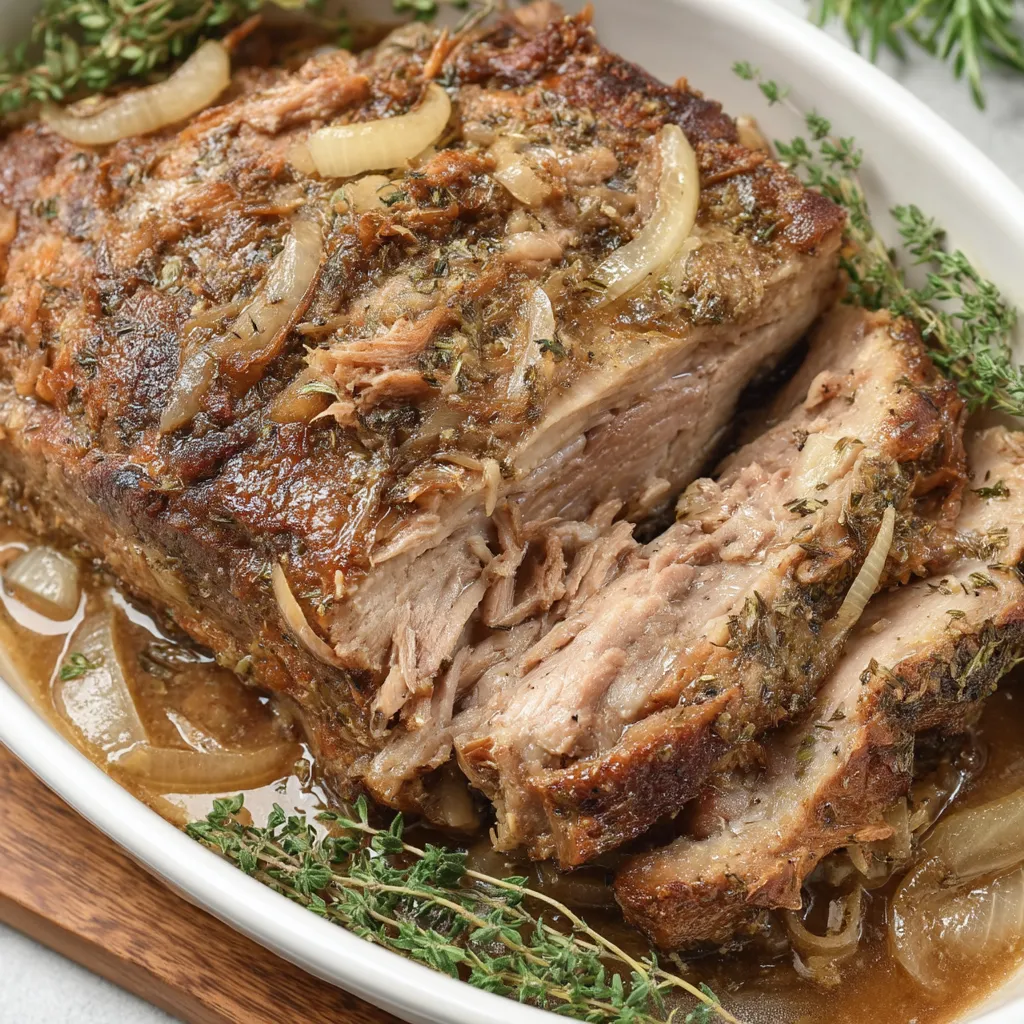
Italian Red Wine Pork Roast: Your Definitive Guide to Fork-Tender Perfection
Imagine a dish so deeply flavorful, so incredibly tender, that it practically melts in your mouth with every bite. This isn't just a fantasy; it's the reality of a perfectly executed
Italian red wine pork roast. This culinary masterpiece transforms a humble cut of pork into a succulent, fork-tender delight, brimming with the robust flavors of Italy. The secret lies not in speed, but in patience – a slow, deliberate braising method that yields unmatched richness and tenderness, making it the ultimate comfort food for a cozy evening or a festive gathering.
This definitive guide will take you far beyond a mere recipe. We’ll delve into the foundational choices that guarantee success, from selecting the ideal cut of pork to understanding the nuances of the braising process. We'll ensure that when you finally bring this magnificent roast to your table, it will be nothing short of spectacular. Prepare to fill your home with an aroma that signals culinary excellence, a true testament to the magic of low-and-slow cooking.
The Heart of the Meal: Choosing Your Pork Roast Wisely
Before you even think about lighting the stove, the most critical decision you’ll make for your
Italian red wine pork roast is the cut of meat. This isn't just a suggestion; it's the very foundation upon which a truly memorable dish is built. As any seasoned chef knows, "you can't make a silk purse out of a sow's ear," and nowhere is this truer than in braising.
For a slow-braised dish like this, you absolutely need a cut of pork that boasts a good amount of fat and connective tissue. These elements are your allies, rendering down slowly over hours, basting the meat from within, and transforming into gelatin that creates that irresistible melt-in-your-mouth texture. The undisputed champion for this application is the
pork shoulder, often found at your butcher labeled as a pork butt or Boston butt.
Many home cooks, mistakenly believing leaner is better, might gravitate towards a pork loin or tenderloin. While these cuts are excellent for quick-roasting, grilling, or pan-searing, they are entirely unsuitable for a long braise. Their leanness means they lack the internal fat and collagen necessary to remain moist and tender during extended cooking times. Instead, a pork loin braised for hours will inevitably turn out dry, tough, and stringy. Save those cuts for quick-cooking recipes where their delicate texture can shine.
To illustrate the difference, consider this:
- Pork Shoulder (Butt/Boston Butt): This is your optimal choice. It’s rich in fat and collagen, making it incredibly forgiving and perfect for slow-braising or pulled pork. The result is consistently succulent, easily shreddable, and deeply flavorful. As the collagen breaks down into gelatin, it adds body to your sauce and keeps the meat incredibly moist.
- Pork Loin Roast: Best suited for quick roasting or grilling to a medium internal temperature. If subjected to a long braise, it will become dry and tough due to its low fat and connective tissue content.
- Pork Leg (Fresh Ham): While it can be braised, it’s generally leaner than pork shoulder and requires more careful cooking to prevent dryness. It's a decent alternative only if pork shoulder is unavailable, but it won't yield quite the same level of succulent richness.
Understanding these distinctions is crucial for achieving the perfect fork-tender texture. For a deeper dive into making the right choice, explore our guide on
Pork Shoulder vs. Loin: Master Your Italian Red Wine Roast Braise.
Crafting the Braising Liquid: The Essence of Italian Flavor
Once you’ve secured the perfect pork shoulder, the next step is building the rich, aromatic liquid that will tenderize and infuse your roast with incredible flavor. The wine is a star, but it’s part of a harmonious ensemble.
Choosing Your Red Wine
The "red wine" in
Italian red wine pork roast is not merely a component; it's a character builder. Opt for a dry, robust Italian red wine that you would genuinely enjoy drinking. Think along the lines of a Chianti, Sangiovese, Montepulciano d'Abruzzo, or a Barbera. Avoid "cooking wines" which often contain added salt and preservatives that can detract from the final flavor. A good rule of thumb: if you wouldn't drink it, don't cook with it! You'll use a portion for the braise, and the rest can be enjoyed alongside your finished meal.
Aromatic Vegetables and Herbs
These unsung heroes create the aromatic base that gives your roast its soul. A classic
soffritto (the Italian version of mirepoix) consisting of finely diced
onion, carrot, and celery is essential. To this, add generous amounts of minced
garlic.
For herbs, embrace the staples of Italian cooking: fresh sprigs of
rosemary and
thyme, along with a few
bay leaves. These sturdy herbs stand up well to long cooking times, releasing their fragrant oils steadily. A tablespoon or two of tomato paste can be added during the sautéing of aromatics to provide a deep, umami-rich foundation and beautiful color to your sauce. Finally, round out your liquid with a good quality chicken or beef broth, ensuring the pork is mostly submerged for optimal braising.
The Braising Method: Low, Slow, and Luscious
The magic of achieving that coveted fork-tender texture lies in the technique itself – a patient, low-and-slow braise, ideally in a heavy-bottomed Dutch oven. This method is incredibly forgiving and consistently delivers exceptional results.
Step-by-Step to Perfection:
- Sear for Flavor: This crucial initial step develops deep, caramelized flavor (the Maillard reaction) and a beautiful crust on your pork. Pat the pork shoulder dry thoroughly. Heat a generous amount of olive oil in your Dutch oven over medium-high heat. Sear the pork on all sides until deeply golden brown. Don't overcrowd the pot; work in batches if necessary. Remove the pork and set aside.
- Build the Aromatic Base: In the same pot, reduce the heat to medium. Add a little more olive oil if needed, then sauté your diced onions, carrots, and celery until softened and fragrant, about 5-7 minutes. Add the minced garlic and tomato paste, cooking for another minute until the paste darkens slightly and becomes aromatic.
- Deglaze with Wine: Pour in your chosen red wine. Use a wooden spoon to scrape up any browned bits (fond) from the bottom of the pot. This is pure flavor! Allow the wine to simmer for a few minutes, reducing slightly and letting some of the alcohol evaporate.
- Return the Pork and Add Liquid & Herbs: Place the seared pork back into the Dutch oven. Add the fresh rosemary, thyme, bay leaves, and enough chicken or beef broth to come about two-thirds of the way up the sides of the pork. The meat doesn't need to be completely submerged.
- Low and Slow Simmer: Bring the liquid to a gentle simmer on the stovetop, then cover the Dutch oven tightly with a lid. Transfer it to a preheated oven set to a low temperature, typically 300-325°F (150-160°C). Allow it to braise for 3 to 4 hours, or until the pork is incredibly tender and easily pulls apart with a fork. Check occasionally to ensure the liquid is simmering gently and hasn't evaporated too much.
- The Slow Cooker Option: For an equally tender result with minimal fuss, a slow cooker is an excellent alternative. Follow the searing and aromatic steps on the stovetop first. Then, transfer the seared pork and the aromatic base to your slow cooker. Add the wine, broth, and herbs. Cook on low for 6-8 hours or on high for 3-4 hours, until fork-tender. Because slow cookers retain more moisture, you might need slightly less broth.
- Rest and Finish the Sauce: Once cooked, carefully remove the pork from the Dutch oven and let it rest on a cutting board, covered loosely, for at least 15-20 minutes. While it rests, you can finish your sauce. Skim any excess fat from the surface of the braising liquid. For a thicker, richer sauce, bring the liquid to a simmer on the stovetop and reduce it to your desired consistency. You can also strain it for a smoother sauce or blend some of the vegetables into it for added body.
Pairing and Presentation: Elevating Your Italian Feast
A perfectly cooked
Italian red wine pork roast deserves an equally thoughtful presentation. The rich, savory meat and aromatic sauce lend themselves beautifully to a variety of accompaniments.
Consider serving your succulent pork roast over creamy polenta, mashed potatoes, or a bed of wide pasta like pappardelle, allowing the luscious sauce to coat every strand. A simple side of crusty Italian bread is essential for soaking up every last drop of the exquisite gravy. A crisp, fresh green salad with a light vinaigrette offers a refreshing counterpoint to the richness of the meat.
For wine pairing, complement the dish with the same robust Italian red you used in the braise, such as a Chianti Classico or a Montepulciano d'Abruzzo. Garnish with a sprinkle of fresh chopped parsley or grated Parmesan cheese for a touch of freshness and extra Italian flair.
Leftovers, should you be so lucky, are a treat! Shred the remaining pork and use it for incredible sandwiches, as a rich ragu over pasta, or in hearty tacos.
Conclusion
The
Italian red wine pork roast is more than just a meal; it's a testament to the beauty of patient cooking and quality ingredients. By choosing the right cut of pork, building a flavorful braising liquid, and embracing the low-and-slow method, you unlock an unparalleled depth of flavor and a tenderness that truly defines "fork-tender perfection." This culinary journey fills your home with irresistible aromas and culminates in a dish that will undoubtedly become a cherished favorite, earning you rave reviews every time. So, gather your ingredients, take your time, and prepare to savor one of the most rewarding Italian culinary experiences.