Pork Shoulder vs. Loin: Master Your Italian Red Wine Roast Braise
There are few culinary experiences as deeply satisfying as a tender, succulent Italian red wine pork roast, slow-braised to perfection. The aroma alone, filling your kitchen with promises of rich, savory goodness, is enough to transport you straight to the heart of Italy. But achieving this melt-in-your-mouth masterpiece isn't just about a great recipe; it starts with a foundational decision that can make or break your dish: choosing the right cut of pork. This isn't merely a suggestion; it's the very cornerstone of success for a truly unforgettable braised
Italian red wine pork roast.
We’ve all been there, standing at the butcher counter, wondering whether to grab the seemingly leaner, more elegant pork loin or the more robust, perhaps less familiar, pork shoulder. For this specific, glorious application – a low-and-slow braise bathed in robust red wine and aromatics – the choice is critical. Getting it wrong can lead to disappointment, while making the right selection ensures a dish that will have everyone asking for seconds. Let's delve into why one cut reigns supreme for this classic Italian technique and how to ensure your next culinary project is nothing short of spectacular.
The Art of the Italian Red Wine Pork Roast: Why Braise?
Before we pit pork shoulder against loin, let's understand the magic that braising brings to the table. This ancient cooking method is a masterclass in transformation. It begins with searing the meat at high heat, creating a deep, caramelized crust that locks in flavor and adds incredible depth through the Maillard reaction. Then, the real magic happens: the seared pork settles into a rich, aromatic liquid – in our case, a robust Italian red wine, often accompanied by vegetables like carrots, celery, onions, and fragrant herbs.
This low-and-slow simmering, typically in a heavy-bottomed Dutch oven, allows the meat to break down gradually. It’s a patient process, not a rushed weeknight affair, but the reward is immense. The connective tissues within the pork slowly dissolve into gelatin, basting the meat from within, while fat renders down, infusing every fiber with moisture and flavor. The result is a pork roast that is incredibly tender, moist, and easily pulled apart with a fork – a far cry from anything dry or tough. This forgiving nature of braising means that even if you're a novice, you can achieve remarkable results, making it the definitive method for a truly authentic
succulent Italian pork roast.
Pork Shoulder vs. Loin: The Ultimate Showdown for Braising
This is the moment of truth. When embarking on your Italian red wine pork roast journey, the cut of meat is paramount. Think of it as laying the foundation for a magnificent building; you need the right materials from the start.
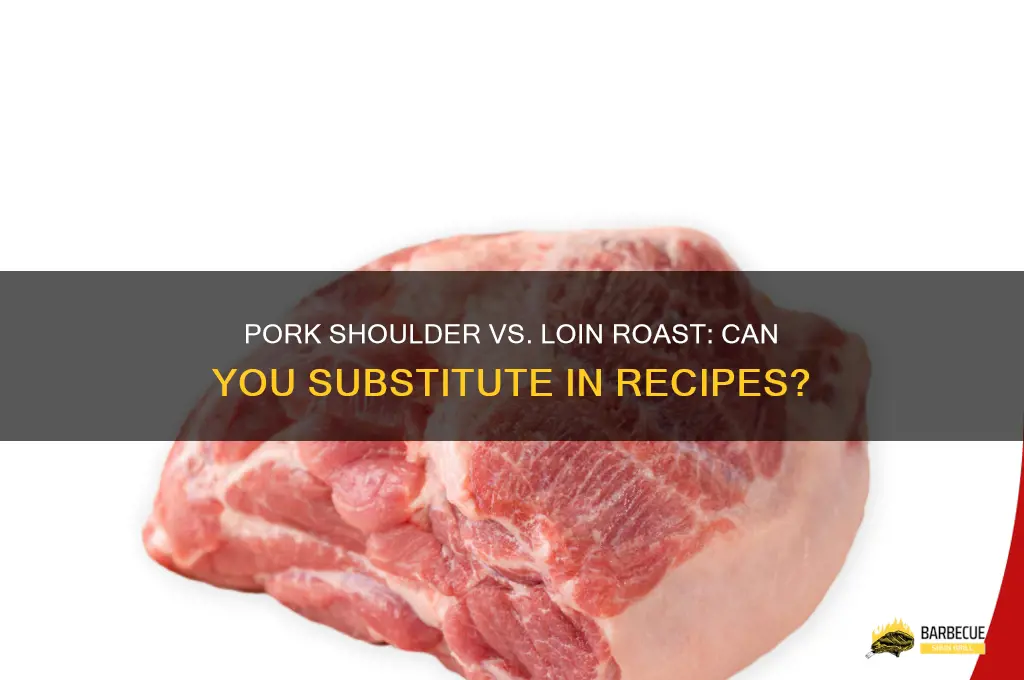
Why Pork Shoulder (Boston Butt) Reigns Supreme
Without a shadow of a doubt, the absolute best cut for a slow-braised Italian red wine pork roast is the
pork shoulder, often sold as a "pork butt" or "Boston butt" (despite being from the shoulder, not the rear). Here’s why it’s the undisputed champion:
*
High Fat Content: Pork shoulder is generously marbled with internal fat. As it cooks low and slow for hours, this fat slowly renders, basting the meat from the inside out. This continuous internal lubrication ensures an incredibly moist and flavorful roast.
*
Abundant Connective Tissue: This cut is rich in collagen and other connective tissues. During the long braising process, these tough tissues break down and convert into gelatin. This gelatin is the secret to that coveted melt-in-your-mouth, fall-apart texture. It literally turns what was once firm muscle into a succulent, easily shreddable delicacy.
*
Forgiving Nature: Thanks to its fat and collagen, pork shoulder is incredibly forgiving. It can withstand long cooking times without drying out, making it ideal for the hours-long braise required for an Italian red wine pork roast. It's built for patience and yields spectacular results every time.
When you pull a fork-tender piece of pork shoulder from the Dutch oven, glistening with rich red wine sauce, you'll understand why this cut is non-negotiable for the true braising enthusiast.
The Pitfalls of Pork Loin for Braising
Many people, mistakenly thinking "leaner is better" or "loin sounds premium," reach for a pork loin roast for a braise. However, for a slow-cooked dish like an Italian red wine pork roast, pork loin is a misstep that often leads to disappointment.
*
Lack of Fat: Pork loin is a very lean cut with minimal internal fat. Without the protective shield of rendering fat, it is highly susceptible to drying out during long, slow cooking.
*
Scarcity of Connective Tissue: Loin also lacks the significant amount of collagen found in the shoulder. This means it won't break down into that luscious gelatinous texture that makes braised meats so tender.
*
Dry, Tough, and Stringy Outcome: When subjected to a long braise, pork loin tends to become dry, tough, and stringy rather than tender and succulent. Its structure simply isn't designed for hours of simmering.
Save the pork loin for quick-cooking methods like roasting to a medium internal temperature, grilling, or slicing into chops for pan-frying. It shines in those applications, but for a braise, it’s best left on the shelf.
Quick Comparison: Braising Cuts
To help you at the butcher counter, here’s a straightforward comparison:
*
Pork Shoulder (Boston Butt):
*
Best For: Slow Braising, Pulled Pork, Stews.
*
Texture (Braised): Extremely tender, succulent, moist, easily shreddable, melt-in-your-mouth.
*
Why it Works: High fat and collagen content renders down, basting the meat from within and converting to gelatin, creating richness and moisture. Very forgiving.
*
Pork Loin Roast:
*
Best For: Roasting, Grilling, Pan-frying (as chops).
*
Texture (Braised): Dry, tough, and stringy.
*
Why it Fails: Too lean and lacks the internal fat and collagen needed to stay moist and tender during a long, slow cook. Best cooked quickly to a medium temperature.
*
Pork Leg (Fresh Ham):
*
Best For: Roasting whole, Cured Hams.
*
Texture (Braised): Can be good, but generally leaner than shoulder and less marbled.
*
Consideration: A decent alternative if shoulder is unavailable, but requires more careful monitoring to avoid drying out due to its lower fat content compared to shoulder.
Elevating Your Italian Red Wine Pork Roast Beyond the Cut
While the pork shoulder is the star, the supporting cast of ingredients and techniques further elevate your Italian red wine pork roast to legendary status.
Choosing Your Wine Wisely
The "red wine" in your Italian red wine pork roast isn't just liquid; it's a flavor powerhouse. Opt for a robust, dry Italian red wine. Excellent choices include:
*
Chianti or Sangiovese: Classic, savory, and with good acidity.
*
Montepulciano d'Abruzzo: Fruit-forward with soft tannins.
*
Nero d'Avola: A full-bodied Sicilian gem.
*
Barbera or Nebbiolo (lighter styles): Can also work beautifully.
A good rule of thumb: cook with a wine you'd enjoy drinking. This ensures a quality flavor profile for your dish. And don't forget to pour yourself a glass to enjoy while your roast braises!
Aromatic Foundation and Herbs
The soul of Italian cooking lies in its aromatics. A classic *soffritto* (a base of finely diced onion, carrot, and celery) is essential. To this, add fragrant Italian herbs like fresh rosemary, sage, and thyme, along with a bay leaf. A dollop of tomato paste, seared briefly before adding the wine, provides crucial umami depth and a hint of sweetness that balances the richness of the pork and wine.
Searing for Flavor Depth
Never skip the searing step! This initial browning of the pork shoulder creates a deeply caramelized crust. This isn't just about color; it's about building layers of complex flavor through the Maillard reaction. A well-seared piece of pork contributes immensely to the final richness of your braising liquid.
Slow Cooking Methods: Patience is Key
Whether you opt for the traditional Dutch oven method on the stovetop or in the oven, or the convenience of a slow cooker, patience is your best friend. This dish thrives on hours of gentle simmering. The low-and-slow approach allows all the flavors to meld, the pork to tenderize perfectly, and your home to fill with an irresistible aroma that builds anticipation.
Practical Tips and Expert Insights
*
Deglaze the Pan: After searing the pork and sautéing your aromatics, use a splash of the red wine to scrape up any browned bits from the bottom of the pan. These are pure flavor bombs!
*
Don't Rush: Resist the urge to crank up the heat. A gentle simmer is what you're aiming for. Too high, and the meat can seize up and become tough.
*
Resting is Crucial: Once the roast is done, remove it from the braising liquid and let it rest for 15-20 minutes before shredding or slicing. This allows the juices to redistribute, ensuring maximum moisture.
*
Serving Suggestions: This magnificent Italian red wine pork roast pairs beautifully with creamy polenta, mashed potatoes, wide pasta noodles like pappardelle, or simply crusty Italian bread to sop up the luscious sauce.
*
Leftovers are Gold: If you're lucky enough to have leftovers, they're even better the next day! The flavors deepen further. Serve them in sandwiches, over pasta, or reheated for another meal.
Conclusion
Mastering the Italian red wine pork roast is a rewarding culinary journey, and it all begins with the right cut of meat. By understanding the unique properties of pork shoulder and why it far surpasses pork loin for slow braising, you set yourself up for undeniable success. Embrace the patience, savor the incredible aromas that will fill your kitchen, and prepare to delight in a truly tender, deeply flavorful
Italian red wine pork roast. This isn't just a meal; it's an experience – a testament to the magic of low-and-slow cooking that transforms simple ingredients into an extraordinary feast.